Before the launch of Bait, expectations surrounding representation in the film industry were stagnant. The casting of iconic roles like James Bond remained a hot topic, often sidelining diverse narratives and perpetuating a predominantly white casting tradition.
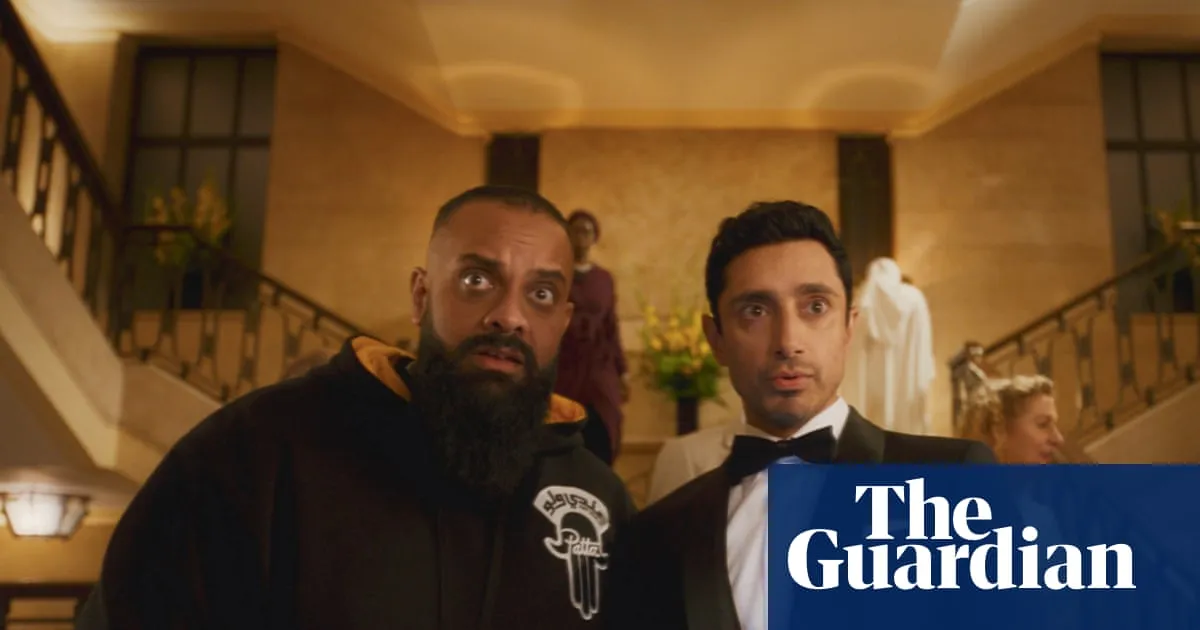
However, with the premiere of Bait on March 25, 2026, a decisive shift has occurred. Created by Oscar- and Emmy-winning actor Riz Ahmed, the series follows Shah Latif, an Asian actor aspiring to become the next James Bond, thus challenging the status quo.
This six-episode comedy explores themes of racial palatability, Britishness, ambition, and authenticity. Latif’s character grapples with the pitfalls of fame, especially after rumors circulate about his potential casting as Bond. The show’s unique narrative is further enhanced by a talented crew of South Asian writers and directors.
As the series unfolds, it delves into the internalized shame and identity issues faced by Ahmed’s character, resonating with many viewers who have experienced similar struggles. The inclusion of a foul-mouthed voiceover by a very famous actor adds a layer of humor while addressing serious topics.
Expert voices highlight the significance of this shift. Yasmin, a character in the show, boldly states, “If I played him, he wouldn’t be white!” This sentiment echoes the growing demand for diverse representation in mainstream media.
Moreover, the show employs steganography in its title screen, concealing messages that reflect the complexities of identity and ambition within a British Pakistani family context. This innovative approach sets Bait apart from typical comedies.
Shah Latif’s journey is punctuated by harsh realities, as illustrated by the character Zulfi’s remark, “How are you going to win hearts and minds with your horny meerkat face?” Such lines underscore the societal pressures and stereotypes that persist.
As the conversation around race and representation continues to evolve, Bait stands as a pivotal moment in television history. It not only entertains but also provokes thought on the narratives we choose to amplify.
Details remain unconfirmed about the show’s reception and its potential impact on future casting decisions in Hollywood, but the dialogue it has sparked is undeniable.