The BBC drama ‘Babies’ has emerged as a crucial conversation starter around the emotional struggles of miscarriage, coinciding with a troubling trend: birth rates in England, Scotland, and Wales have reached a record low in 2024. This dual narrative underscores the urgent need for open discussions about fertility and loss.
At the heart of ‘Babies’ is a couple, Lisa and Stephen, portrayed by Siobhán Cullen and Paapa Essiedu, who navigate the painful realities of pregnancy loss. The show, written by Stefan Golaszewski, aims to destigmatize these experiences and encourage dialogue, reflecting the fact that roughly one in four women will experience a miscarriage in their lifetime.
In a poignant moment, Lisa expresses her desire to try for another child, stating, “I feel like we should start trying again.” This sentiment resonates with many viewers who may have faced similar challenges.
Paapa Essiedu emphasizes the show’s impact, saying, “If it makes one person able to talk about pregnancy loss when they previously couldn’t, I think the show will have been a success.” His commitment to portraying this sensitive subject with care is evident throughout the series.
As the narrative unfolds, the show not only highlights personal struggles but also reflects broader societal anxieties about fertility, particularly among millennial women weighing the prospect of starting families.
Siobhán Cullen adds, “That’s all it takes, just bringing it into a conversation and into people’s living rooms on the BBC.” This approach aims to normalize discussions that are often kept hidden.
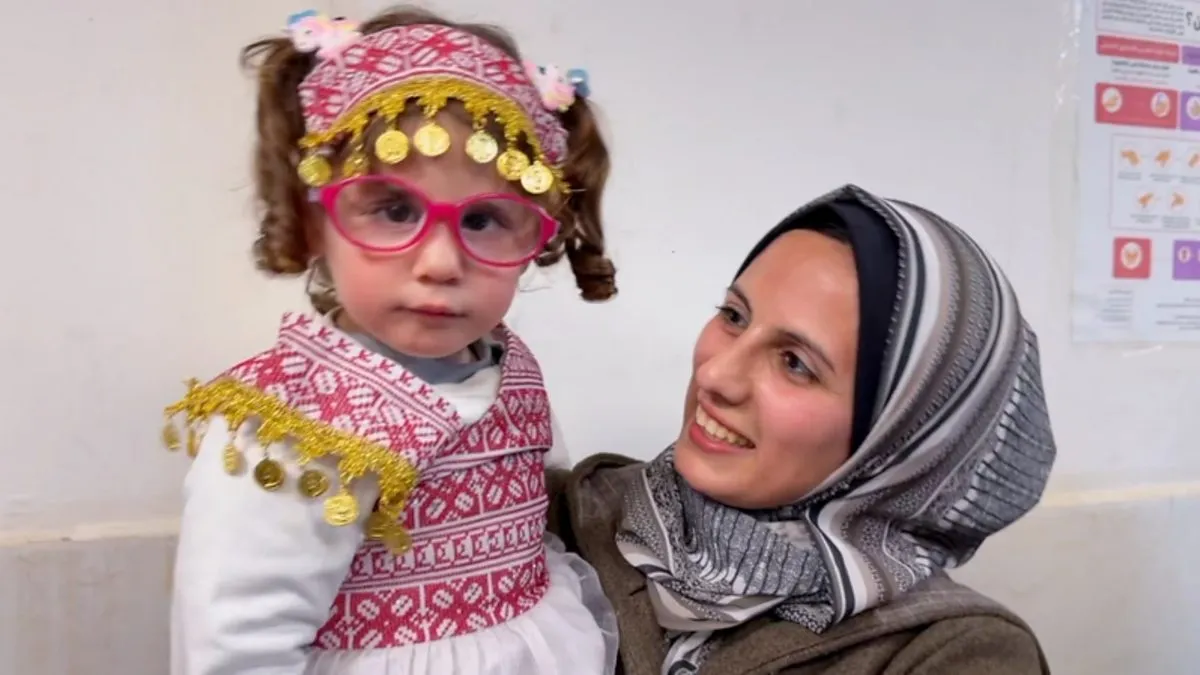
Meanwhile, the return of at least eight premature babies evacuated from Gaza and reunited with their families adds another layer of urgency to the conversation about infant health and family dynamics.
As the drama continues to air, the hope is that it will spark necessary conversations about miscarriage and fertility, breaking down barriers that have long silenced these experiences.
Details remain unconfirmed regarding the full impact of the show on public discourse, but its timing amidst declining birth rates is significant.