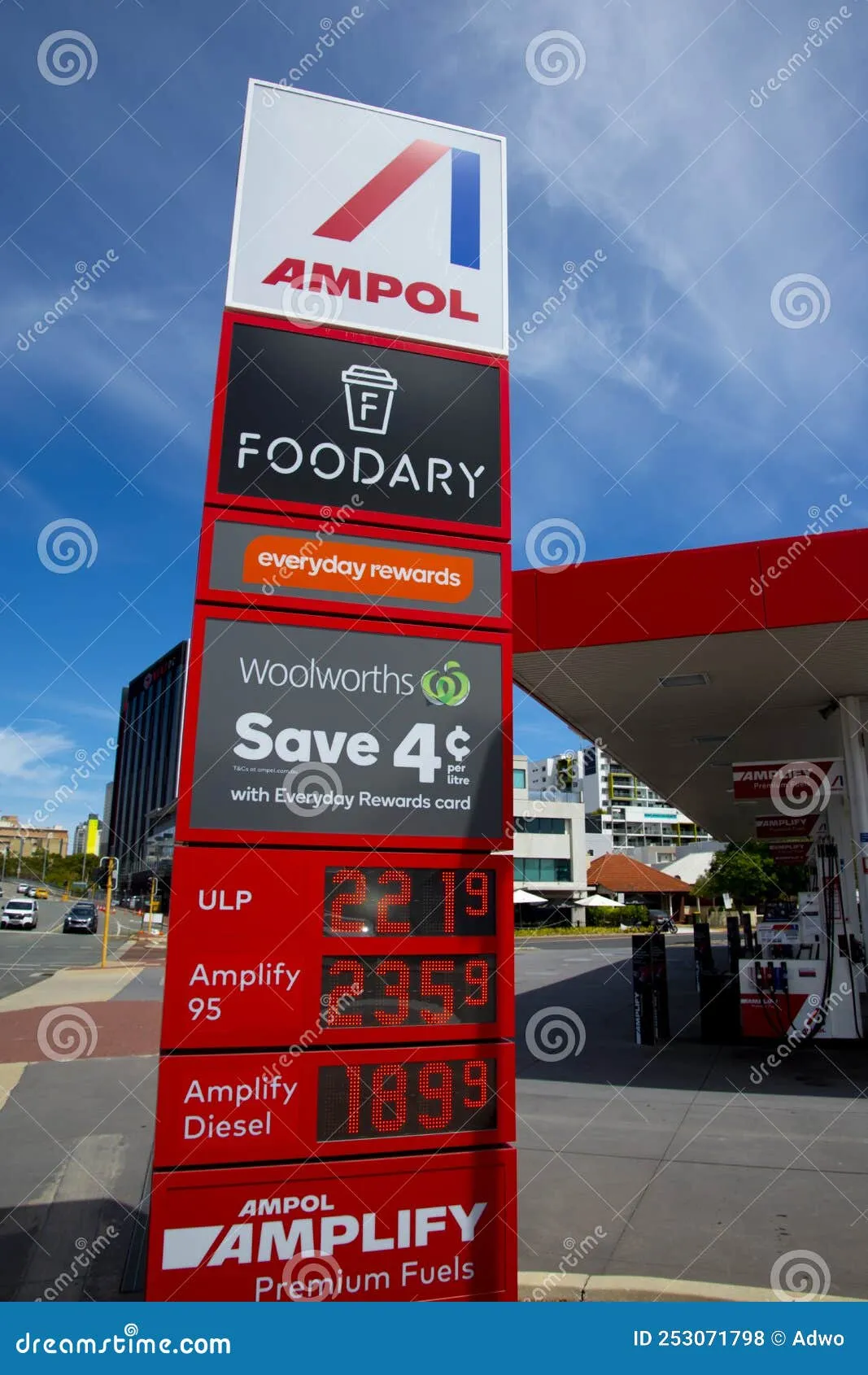
Australia is on the brink of a fuel crisis as petrol stations across the nation face shortages, raising urgent concerns about the country’s energy security. With limited identified conventional oil reserves being depleted faster than they can be replenished, the situation is dire. Experts warn that at the current rate of consumption and import reliance, Australia’s proven and probable oil resources could run dry in just seven years.
Currently, Australia holds approximately 1.3 billion barrels of proven or probable oil reserves, alongside an additional 2.2 billion barrels classified as contingent reserves. However, with 80 percent of liquid fuels imported, the nation’s dependency on foreign oil is increasingly precarious. The International Energy Agency mandates that all member countries maintain emergency oil stocks equivalent to at least 90 days of imports, a requirement Australia has struggled to meet.
Only two oil refineries remain operational in Australia: the Ampol-owned Lytton refinery in Brisbane and the Viva Energy operation in Geelong. These aging facilities are increasingly unable to compete with larger, more efficient refineries in Asia, further exacerbating the situation. As refined fuels have a shorter shelf life than crude oil, the volatility and rapid deterioration of these products pose additional risks to supply stability.
Geoscience Australia has highlighted that the Bass Strait, once a significant source of oil, is nearing depletion. This geographical area has historically contributed to the nation’s oil supply but is now a stark reminder of the challenges facing Australia’s energy landscape. The depletion of local resources, combined with the reliance on imports, places the country in a vulnerable position.
As the situation unfolds, the implications for consumers are significant. Fuel prices are expected to rise sharply, and petrol stations may struggle to maintain adequate supplies. The urgency of the matter cannot be overstated; without immediate action to bolster domestic production or secure alternative sources, Australia risks facing widespread fuel shortages.
Details remain unconfirmed regarding potential government interventions or strategies to address this looming crisis. The need for a comprehensive energy policy that prioritizes the development of local resources and reduces dependency on imports is more pressing than ever. Stakeholders are calling for immediate discussions to explore viable solutions to avert a national energy disaster.
In conclusion, Australia stands at a critical juncture in its energy policy. The depletion of oil reserves, coupled with high import rates, poses a significant threat to the nation’s fuel supply. As petrol stations run dry, urgent measures must be taken to secure the future of Australia’s energy landscape.