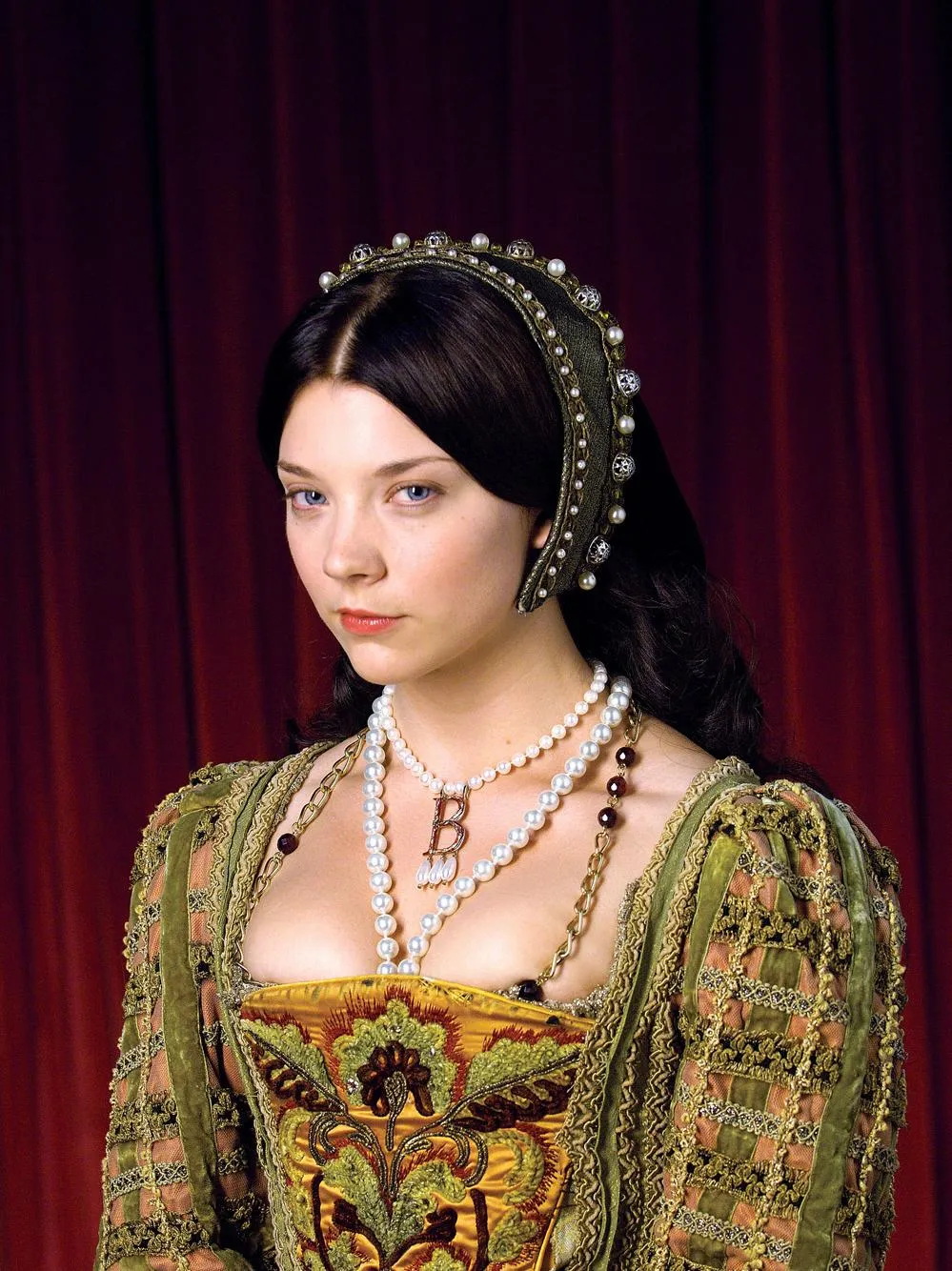
A team of scientists has reportedly uncovered the real face of Anne Boleyn using advanced facial recognition technology. This revelation has ignited a heated debate among historians.
Anne Boleyn was married to Henry VIII in 1533 and executed three years later. No authentic painting of her from her lifetime exists, complicating historical research.
The University of Bradford’s team utilized facial recognition technology to analyze various Tudor portraits. They believe they have identified a previously unknown sketch of Boleyn.
The researchers compared the sketch to portraits of Boleyn’s daughter, Elizabeth I, and her cousins. Their algorithm rated facial similarity through a process called “percentage clustering.”
However, not all experts are convinced. Art historian Dr. Bendor Grosvenor dismissed the findings, labeling the research “a load of old phooey.” He questioned the validity of using machine-learning algorithms on historical drawings.
The lead author, Karen Davies, expressed her shock at the results, stating, “The result has shocked us completely.” She has been fascinated by Boleyn since childhood.
The study underwent peer review before publication, lending it some credibility within academic circles. Yet, uncertainties persist regarding whether the identified sketch is indeed of Anne Boleyn or possibly her mother, Elizabeth née Howard.
Moreover, the research suggests that some images of Boleyn may have been deliberately destroyed over time. The ongoing debate highlights questions about whether technology can accurately analyze historical artworks.
Key points from experts:
- Dr. Charlotte Bolland emphasized the emotional tragedy surrounding Boleyn’s life as a compelling reason for renewed interest in her story.
- Professor Hassan Ugail remarked on the challenges posed by comparing drawings through an algorithm.
- The accuracy of such technological analysis remains hotly debated in academic circles.