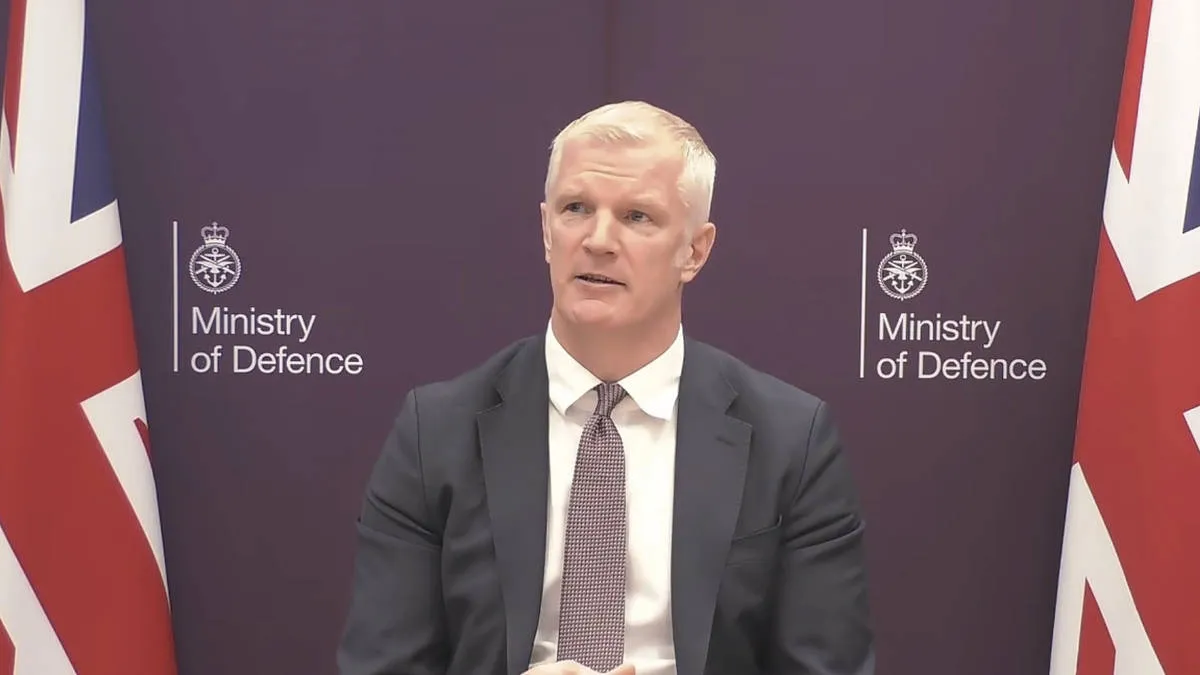
Reaction from the field
In a move that has raised eyebrows, Labour minister Al Carns claimed approximately £3,000 on parliamentary expenses for the production of 17 promotional videos. This comes at a time when the UK is grappling with the repercussions of the ongoing conflict in Iran, which has severely disrupted global energy supplies and critical mineral access.
The promotional videos, which include a notable clip of Carns competing in pull-ups against a firefighter at a local fire station, have sparked discussions about the appropriateness of such expenses. Overall, Carns claimed about £14,000 for the services of a public relations consultant, contributing to a total staff spending of £111,000. He has defended this expenditure by stating it is significantly below the typical levels for Members of Parliament.
Al Carns, a former Royal Marine, has not only focused on his expenses but has also voiced concerns regarding the broader implications of the Iran conflict. He stated, “There are reverberations from that war on Iran that we will feel here in the UK and across the rest of the world, actually.” This statement underscores the urgency of the situation as the conflict continues to escalate.
Highlighting the gravity of the situation, Carns emphasized, “This war in Iran has cut off a large chunk of the world’s energy resources.” The impact on energy supplies is particularly critical for the UK, which relies on stable energy prices to maintain economic stability. In light of these challenges, Carns has called for an accelerated transition to renewable energy sources.
“We’ve got to move on a green transition, and we’ve got to continue to do what we’re doing in the North Sea to ensure that we have a plethora of capabilities that sustain energy prices and don’t allow them to fluctuate to the point of where they become unaffordable,” he added. This statement reflects a growing consensus among policymakers that the UK must adapt to the changing global energy landscape.
Despite the approval of his expenses by the Independent Parliamentary Standards Authority (Ipsa), the controversy surrounding Carns’s claims raises questions about the transparency and accountability of parliamentary spending. As the situation in Iran evolves, the focus on Carns’s expenses may intensify, especially if the conflict leads to further economic repercussions.
Details remain unconfirmed regarding how the UK government plans to address the energy crisis exacerbated by the Iran conflict. As Carns continues to advocate for renewable energy, the political landscape may shift in response to public sentiment and economic pressures.