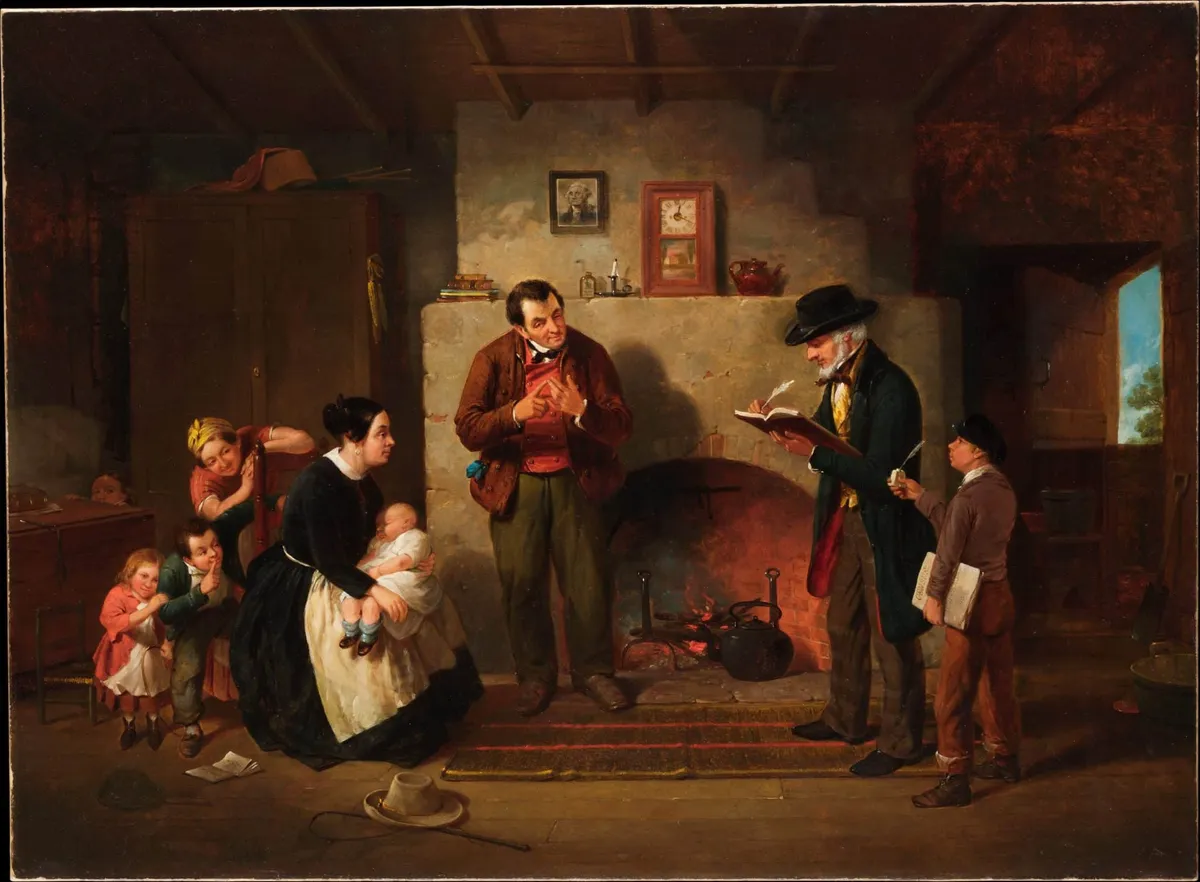
“The census release was ‘a historic moment, offering an invaluable account of life in the early years of the Free State.'” This statement by Patrick O’Donovan underscores the significance of the 1926 census in Ireland.
Conducted on April 18, 1926, this was the first census after the establishment of the Irish Free State in 1922. It recorded nearly 3 million people—specifically, a total of 2,971,992 individuals.
The census included 630,048 household return sheets. It emphasized family as the unit of inquiry rather than just households. For the first time, individuals could complete forms in Irish.
It recorded crucial details such as name, age, sex, marital status, birthplace, language, religion, and occupation. Notably, it revealed that 53% of gainfully employed people over the age of 12 were engaged in agriculture.
Only 6% of the population was categorized as unemployed. Most unemployment was temporary. The findings reflect socioeconomic circumstances following a turbulent period in Irish history.
Orlaith McBride stated, “The census isn’t about lists and numbers; it’s about the people living in Ireland in 1926 and all of their descendants today.” This highlights its importance for understanding demographic shifts.
Between 1911 and 1926, there was a noted decline in the Protestant population within the Irish Free State. Many moved to Northern Ireland while Catholic populations migrated south.
As excitement builds around these historical records—previous releases have crashed websites—many are eager to explore their ancestry. The global diaspora claiming Irish ancestry is estimated at around 80 million.
The records were closed for privacy reasons for a century before being released online. Details remain unconfirmed regarding specific access numbers since their release.
This census stands as a critical document for historians and genealogists alike. It provides insights not just into demographics but also into cultural shifts within Ireland.